четвъртък, 9 октомври 2008 г.

Urban Beads by MVRDV


Dutch architects MVRDV have unveiled designs for a new urban neighbourhood at Almere near Amsterdam, based on a string of beads.
The development, for the Olympiakwartier area of Almere, will feature nine urban blocks composed of a variety of different building types that the architects compare to beads on a string.

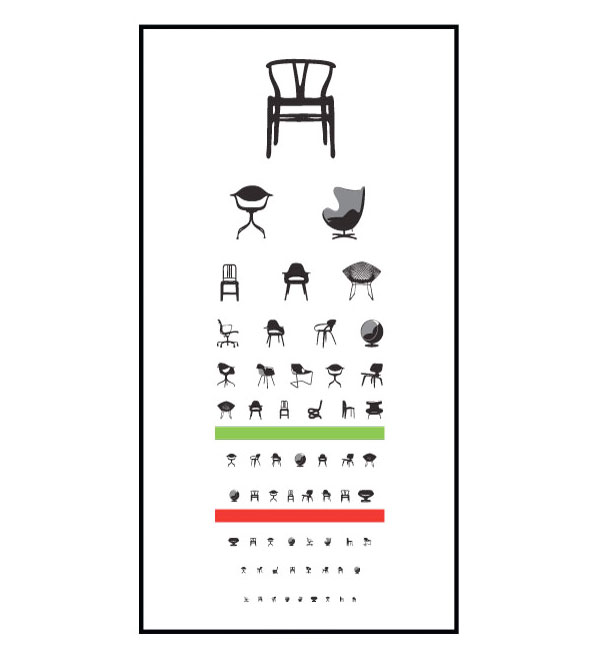
Chair Eye Exam


Blue Ant Studio has created yet another adorable poster for designer chair lovers… can you imagine if you went to the optometrist and they made you tell them which chairs you saw up to the tiniest ones to test your eyes (and chair knowledge)? Or what if it was part of an entry exam to design school??? Anyhow, loving this poster, check out the larger image after the jump!

10 неща

http://whata.org/blog/10-neshta-koito-da-podarish-na-edin-arhitekt-za-koleda

1. стенен часовник Frank Gehry


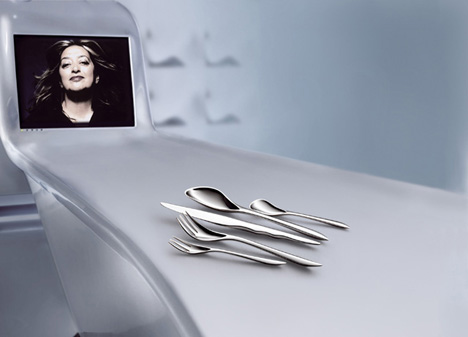
2. прибори за хранене Заха Хадид/

3.Philippe Starck Optical Mouse

GOLD MEDAL WINNER - 2004 INTERNATIONAL BRAND PACKAGE AWARDS
4. абонамент за списание MARK

http://www.mark-magazine.com/
5.

четвъртък, 2 октомври 2008 г.

Szymon Szczesniak house / Moomoo


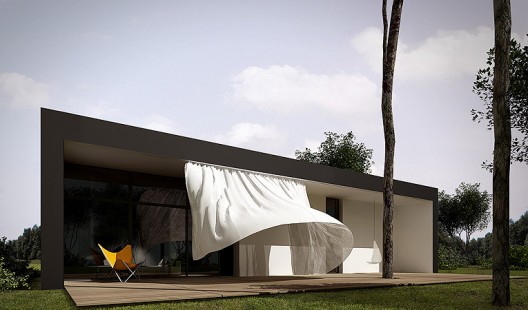
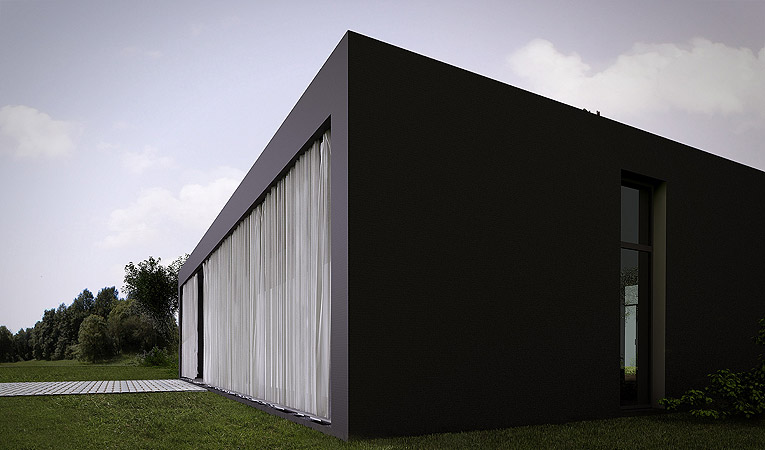
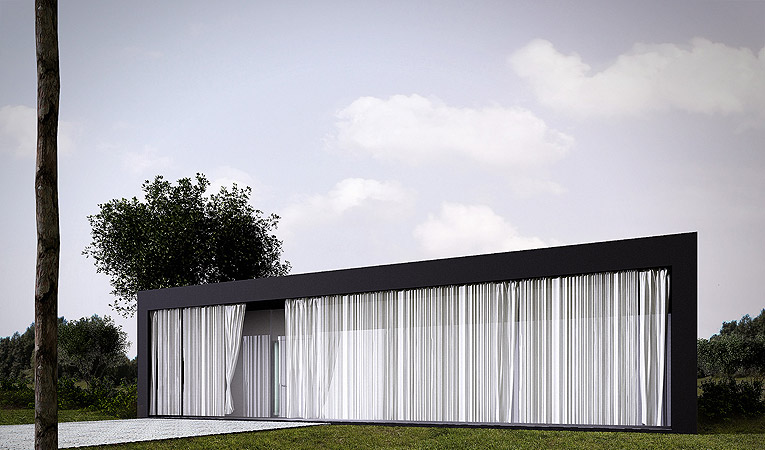
This house features a dynamic skin, a curtain that covers the long side of the elevation. The intermediate space changes during the day due to the winds of the area.

Architects: Moomoo - Jakub Majewski, Lukasz Pastuszka
Location: Wilga, Poland
Collaborator: Tomasz Bierzanowski
Project year: 2008
Constructed Area: 130 sqm


House for a photographer, Szymon Szczesniak. A textile elevation of the house reacts for any tiny wind move, it creates an unusual space for resting, relaxing and finding inspiration.

basque health department headquarters by coll-barreu arquitectos


while frank gehry’s guggenheim museum made the spanish town of bilbao an international destination,
a slew of new projects are continuing to add to its reputation. one of the most recent additions to the
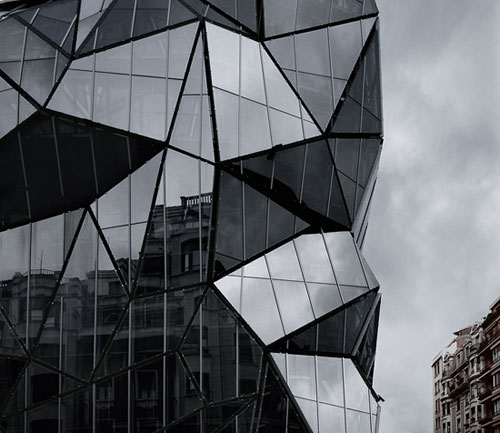
cities landscape is the health department headquarters designed by coll-barreu arquitectos. the young
firm’s creation is most recognizable for its cubist façade of glass. the glass sheets are placed on
irregular angles reflection the city into the building. the façade is also part of the structure’s double
skin frame, which helps insulation. most of the building will be home to offices while the basement will
house a 150 seat auditorium.

http://www.coll-barreu-arquitectos.com

Walter Towers : The Power of the W


Designed by Danish architects Bjarke Ingels Group’s, the Walter Towers look stunning even though I wouldn’t buy an apartment in such a building. Would the elevator be straight or a ride with it turns into a terrifying experience? Is such a building safe, most likely yes, but would you live in an upside down McDonald’s logo building? - via Dezeen

петък, 19 септември 2008 г.

Barcode, by Vitruvius


For the city of St. Petersburg the Russian office Vitruvius & Sons - I am not joking - designed a building called ‘Shtrikh Kod’: Barcode. As the iconography suggests the building houses… shops, shops and shops.

“The center is located in a soviet residential area on the bank of the Neva River. Placed in a vast nameless square by the Volodarsky Bridge, formed by gray housing blocks. Vitruvius and Sons liven up this space by introducing a splash of color”, it reads on Mimoa.

The color surely brightens up the city. The rigorous application of the barcode iconography surprisingly works quite well too. It goes so far as that there are actual windows behind the numbers at the sixth floor. You could actually look out from, like, the number five.

Its superficiality and banality could be interpreted as a critique of shopping. I would though rather regard it as a way to connect to context. The ‘plattenbau’ slabs standing in the asphalt landscape are so abstract an all over the place, that a literal and colorful element like this is like an oasis in the desert. It brings a refreshing contrast.

When you think about it, the iconography of the barcode happens to pop up quite often, and not only in architecture. The iconography seems to begin with the painting of a big barcode on a façade. Then there was AMO that designed a new flag for the European Union that transformed all national flags into a multicolored ‘barcode’. A more abstract version of the image is the Barcode House that MVRDV finished last year in Germany.

To take it a step further: from a technological point all buildings could be regarded as barcodes. Last year Wired published an article about how Google Maps is changing the way we look at the world. In the future it could become possible that Google recognizes the location of every building you take a photograph of. If you would then take a photograph with your mobile phone of the building you’re standing next to, Google Maps could provide you with information about (what is happening in) that building, or about program or events in the neighborhood, or a way out of that place. Pattern recognition will make our cities into one big barcode.